Joint prostheses have been around since the 1950s, starting with the hip. Their main goal is simple: replace worn out joint cartilage with an artificial surface made from durable materials like metal, high performance plastics or even ceramic.
If you are wondering how sports and physical activity fit in after a joint replacement, this article will give you all the answers.

As a reminder, a joint is always made up of two parts. Take the knee, for example: the femur sits on top and the tibia below. The goal is to replace both joint surfaces for smooth movement.
Since the 1950s, technology has come a long way. Hip replacements have improved steadily, and now prosthetic devices are available for almost every joint in the body.
For the upper limb, common prostheses include:
For the lower limb, you can find:
When it comes to the spine, artificial disc prostheses are used to replace damaged intervertebral structures.
Joint replacement surgery is usually recommended for people whose joints are damaged by osteoarthritis, the gradual breakdown of cartilage. This happens most often with age, but it can also follow an injury, like a fracture that permanently affects the joint.
Certain diseases can also make joint replacement necessary. In particular, inflammatory conditions such as rheumatoid arthritis can seriously affect joint health.
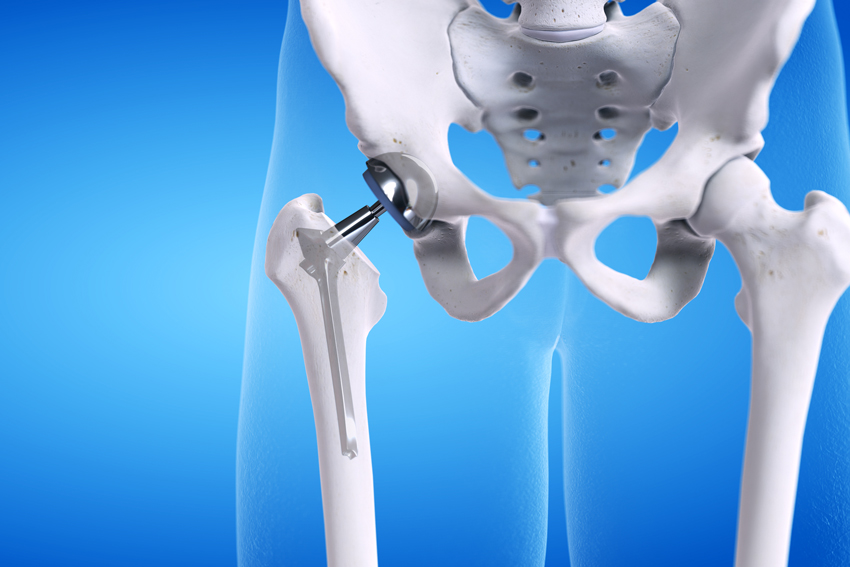
Surgery to implant a prosthesis is always planned and never done as an emergency. Before the procedure, the benefits and risks are carefully explained so that you can make an informed decision. You will also get details about the length of the operation, the expected hospital stay, and the rehabilitation you will need afterward, along with the usual surgical risks.
Osteoarthritis is very common and has 3 main effects:
A prosthesis can help resolve these three main issues caused by osteoarthritis: pain disappears, mobility comes back, and joint function improves.
Prostheses are generally very effective, but they don’t restore the hip or shoulder exactly to how they were before osteoarthritis. Muscles may have weakened over time, so rebuilding strength will take effort, patience, and dedication.
Prostheses can sometimes experience complications:
After a prosthesis has been implanted, patients need to learn how to live with a new joint. Many have been in pain for years and may have avoided using the affected joint, or even their whole body, to reduce discomfort. During surgery, the surgeon changes all of that in about an hour. When the patient wakes up, they have a new hip or knee, and the brain has to adapt to this new setup. That means patients need to relearn movements and gradually regain the confidence to do everyday activities they had avoided for years because of pain.
Some precautions are important while the muscles regain strength, like avoiding crossing the legs after a hip replacement. But physical activity shouldn’t stop. It should be maintained and gradually resumed following medical advice.
The prosthesis is firmly implanted from the start, so patients can get moving right away. Of course, that doesn’t mean signing up for a marathon ten days after a total hip replacement, but climbing stairs the very next day is not only possible, it’s encouraged!
Anyone who has had surgery will inevitably need to go through a rehabilitation phase to recover normal joint sensations. Passive exercises are especially important, like having a therapist help lift the arm after a shoulder replacement. This helps restore what is called proprioception, which is your sense of joint position and awareness of the muscles that control movement.
Rehabilitation with a physiotherapist is usually enough when combined with daily self exercises at home. The physiotherapist and/or surgeon often give patients specific recommendations for exercises to do every day, and it’s essential to follow these instructions to speed up recovery.
Life with a prosthesis can often feel almost “like living without one”. This is what’s called a forgotten joint. People simply forget about their prosthesis and get back to their daily lives and sports activities. This is the best possible outcome of the surgery and ultimately what every surgeon hopes to achieve.
The time it takes to reach this point varies depending on the type of prosthesis. Recovery after a hip replacement is usually faster than after a knee replacement, and results also depend a lot on the individual. In most cases, optimal results are seen within 3 to 6 months.
Sometimes, patients may still feel mild pain or some lingering stiffness, especially if the joint was already very restricted before surgery.
Ongoing follow up with the surgeon is essential. It makes sure recovery is on track and helps spot any potential problems or complications early.
Diet is another topic that often comes up. The main goal is maintaining a healthy weight. Patients who are already at a normal weight should avoid gaining, while those who are overweight should aim to lose it. A prosthesis generally lasts longer when it isn’t carrying extra body weight.
If someone reaches what’s called a “forgotten joint”, like we described earlier, they’re usually able to take part in any physical activities they want. Of course, every sport comes with its own risks, whether or not you have a prosthesis. For example, skiing can always lead to a fracture, prosthesis or not.
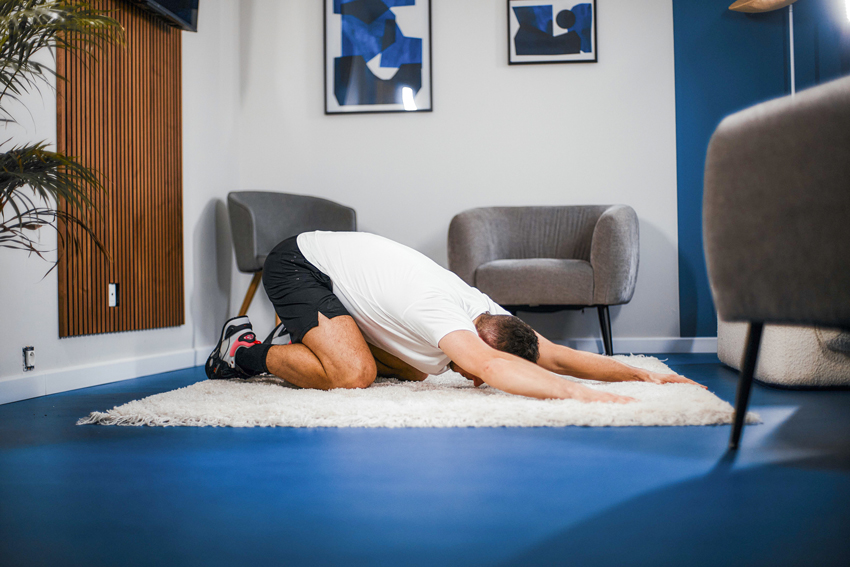
Regular physical exercise is an obvious recommendation for keeping your whole body mobile. The focus shouldn’t be only on the operated joint. To maintain muscle strength and work on proprioception, 30 minutes of daily exercise is essential for staying in good shape and preserving overall health. This 30 minute routine isn’t yet fully part of Western habits, but it’s a natural part of daily life in many Eastern cultures. Prosthesis or no prosthesis, it makes sense, because prioritising this level of daily activity helps prevent other injuries and health issues.
Taking care of your body might seem obvious, but there are few dedicated opportunities to do so. In this article, you’ll discover why you should set aside at least 10 minutes a day just to look after yourself.



Join the 7 million users already registered on FizzUp
Join us