“Losing weight happens in the kitchen.” True, but not entirely. About 80% of results come from nutrition, while the remaining 20% come from physical activity. Even if you’re not a skilled cook, following a proper weight loss meal plan is essential to reach your goals. A balanced diet that provides all the necessary nutrients is the most effective way to lose weight without having to try multiple diets.
If you’re struggling with weight loss, the first step is to realise how important a proper meal plan is. Simply put, if you don’t follow a diet specifically designed for weight loss, you’ll make things much harder than they need to be.
Consulting a healthcare professional or a registered dietitian is crucial when dealing with weight issues. They can recommend the best methods to reach your weight loss goals while keeping your health a priority.
If you want to lose weight, it’s essential to focus on your diet. What you eat plays a key role in shedding excess pounds and reaching your weight loss goals.
First, it’s important to understand that weight loss depends on a balance between calories consumed and calories burned. Keeping track of your daily calorie intake makes a big difference. This means choosing foods that are low in calories but rich in essential nutrients, like vegetables and fruits.
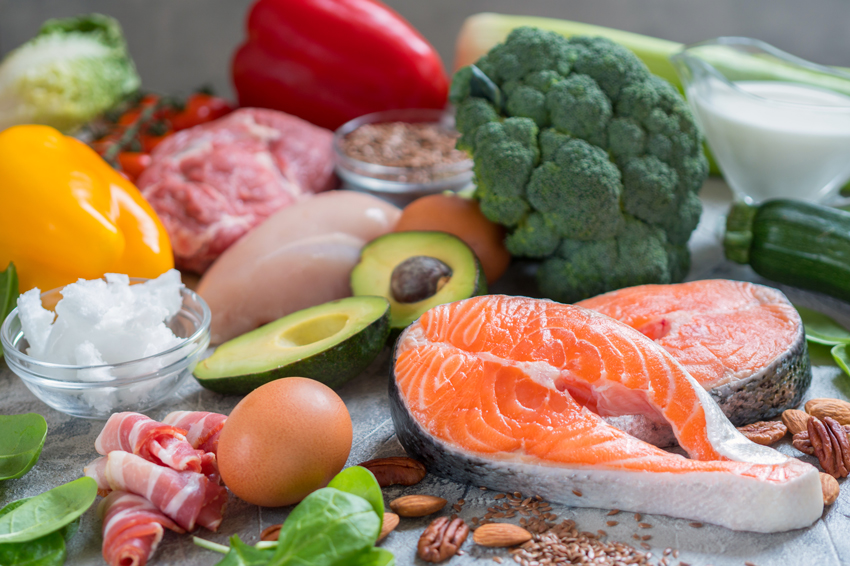
When it comes to nutrients, protein is a powerhouse for any weight loss plan. It helps build muscle and speed up your metabolism, which boosts fat burning. Make sure to include plenty of protein-rich foods like fish, chicken, and low-fat dairy in your diet.
However, losing weight isn’t just about cutting calories and getting enough protein. It’s also important to focus on foods high in fiber and complex carbohydrates, like whole grains. These provide lasting feelings of fullness and help keep your energy levels steady throughout the day.
Another key aspect of a weight loss diet is managing your fat intake. Focus on healthy fats, such as those found in avocados, nuts, and olive or peanut oils, while limiting saturated fats from processed foods.
A balanced and tailored diet is essential for reaching your weight loss goals. Prioritise nutrient-dense, low-calorie foods, and make sure you get plenty of protein, fiber, and complex carbohydrates. Combine this with regular physical activity to get the best results.
By following this nutrition plan, you can start your journey toward better health and a slimmer figure. Don’t wait any longer, embrace a balanced eating plan to shed those extra kilos and regain your well-being.
Do you want to bring more balance to your plate and develop healthy habits for a better lifestyle? Following a meal plan can help. It guides you to reach your goals faster and in a healthier way, ensuring long-lasting results.
Following this plan will help you stay on track. Whether you’re short on time or motivation, planning and preparing your meals in advance reduces daily stress and constant decision making. Say goodbye to burnout.
This weight loss plan is an example and can be adjusted to suit your preferences and tastes. It includes 3 meals and 2 snacks per day to provide your body with enough nutrients and energy to stay consistent over time while supporting your overall health. It’s ideal for training days.
The plan is suitable for an active woman or a moderately active man of average height who wants to lose weight.
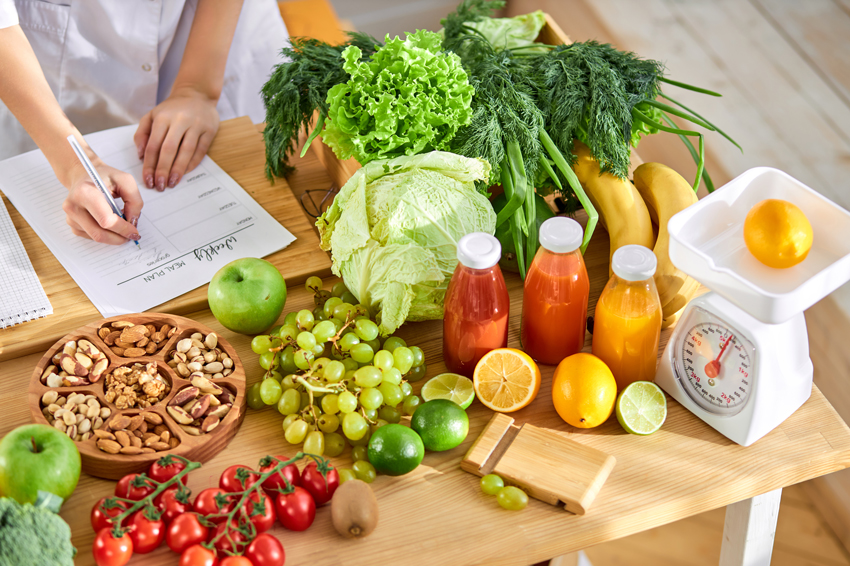
It follows all the key principles of a diet designed for weight loss:
Meal 1: Breakfast
Meal 2: Snack (optional)
Meal 3: Lunch
Meal 4: Snack (optional)
Preferably if the next meal is more than one hour away.
Meal 5: Dinner
Having snacks is a common eating habit that can have a significant impact on body weight, overall health, and dietary balance. Choosing the right foods for snacks is essential to maintain a balanced diet and support weight loss.
Protein-rich snacks help maintain healthy muscle mass and keep you feeling full, which can support weight loss. On the other hand, foods high in carbohydrates and fats should be avoided or eaten in moderation, as they often provide empty calories.
Recommended snacks include fresh vegetables, fresh fruits, low-fat dairy products, and whole grain cereals. Vegetables and fruits are especially rich in vitamins, minerals, and fiber, which are essential for a healthy diet. Whole grain cereal products, like whole grain bread and crackers, also provide fiber and are more nutritious than their refined counterparts.
This menu is a general framework. You can adjust it as you wish as long as you stay within your daily nutritional targets.
Swap out items to match the plan and your personal tastes. This way, you’ll be more likely to stay on track and stick with this routine over the long term.
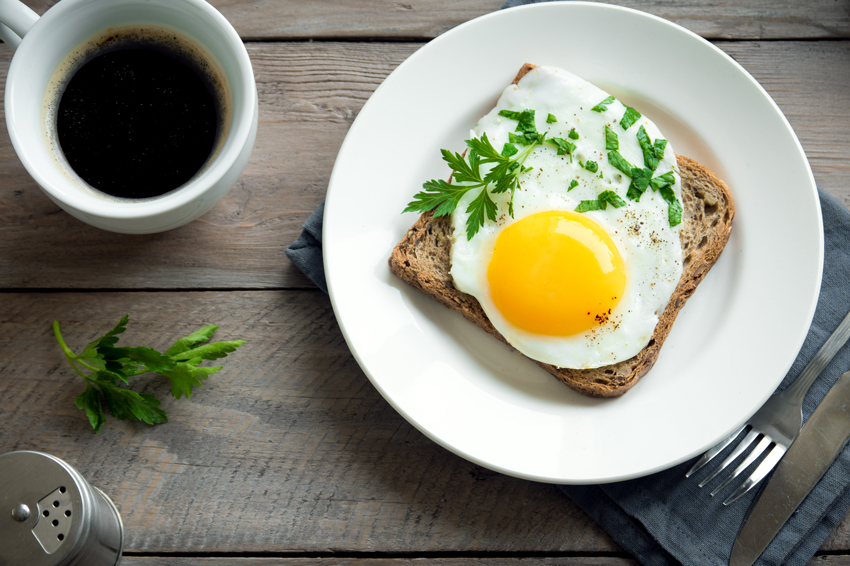
For example, if you tend to have a late breakfast and an early lunch, you can move your morning snack to another time of the day. Or maybe you don’t feel the need for an afternoon snack but prefer a more substantial dinner. In that case, you can combine those meals.
The only rule is to choose nutrient-rich foods. Since you’re reducing your overall food intake, make sure every calorie counts for your health.
Fruits and vegetables, whole grains, healthy fats, and lean proteins should make up most of your daily intake.
Aim to lose about 3% to 5% of your body weight per month. If you’re losing weight faster than that, slightly increase your calorie intake. If you’re losing weight more slowly, reduce calories a little or boost your activity level.
If you want to lose weight, you need to follow a program specifically designed for that goal. But in practice, how do you actually lose weight? It’s as simple as consuming fewer calories than you burn. Everything really comes down to this simple principle.
So, to lose weight, you need to tip the energy balance in your favor. Unfortunately, this is where things start to get tricky.
Humans are good at:
Therefore, the best way to do this is to follow a detailed plan and focus on the right types of foods:
These foods are packed with vitamins and minerals while being lower in calories than ultra-processed foods, which are easy to overeat. This means you’ll feel full while reducing your calorie intake.
Although it sounds simple in theory, changing your diet and cutting calories is usually not easy. You need a solid daily meal plan and a complete shopping list.
Start by planning your meals and snacks for a few days, or even a week depending on how often you go grocery shopping. Compile your shopping list using the ingredients from all your meals so you can stock up according to your plan. If you do this consistently and sustainably, you’ll start losing weight.
Finally, it goes without saying that exercise is important for your health and can also help you reach your goals. Like any diet, physical activity is not only a healthy habit, it also helps you burn more calories to support your weight loss. FizzUp has specially designed the Tabata program to help you burn fat.
Here are all the useful dietary tips and recommendations for a balanced and sustainable nutrition plan over the long term, without frustration!


Join the 7 million users already registered on FizzUp
Join us