Cutting back on sugar has become essential for a healthy lifestyle, but it can feel like an uphill battle. Numerous studies show that high sugar intake increases the risk of type 2 diabetes, weight gain, disrupts blood markers, and contributes to high blood pressure and cardiovascular problems. Sugar also speeds up premature aging of body tissues and can harm your kidneys and liver. Your teeth are affected too, as sugar feeds the bacteria that cause cavities. So, what can you do to tackle this and reduce your daily sugar intake?
FizzUp gives you the best advice for reducing added sugar from your diet.
If you want to cut back on added sugar, you first need to understand what they are. “Added sugars” include all the sugars added to foods or drinks by the manufacturer during processing, by the cook, or by the consumer.
In short, any form of sugar added to a food during its preparation (whether at the beginning or at the end) counts as an “added” sugar.
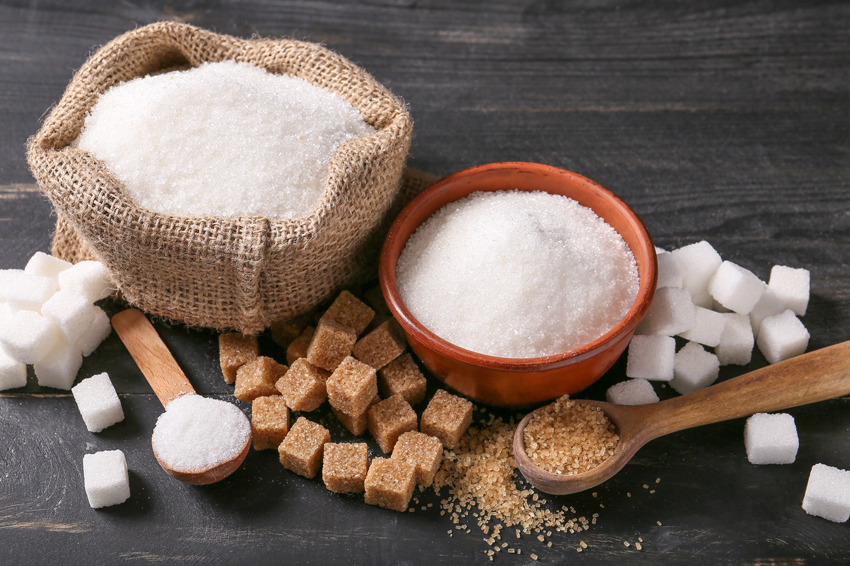
However, be careful not to confuse “natural” sugars with “added” sugars. The distinction is very important. There’s a difference between sugars “naturally” present in foods and those that are added. Unless you are following a special dietary restriction, there’s no reason to avoid the sugars naturally found in whole, unprocessed foods.
Fruits, vegetables and dairy products have small amounts of sugar “naturally”. When you eat fruits or vegetables, the absorption of fructose in your intestines is significantly slowed down by their fiber content. Also, they provide beneficial antioxidants and natural phytonutrients.
Added sugars provide no nutritional value beyond energy (calories). They are sometimes used to preserve products, such as jam, or to aid the fermentation process in bread making. However, their main effect is to make food taste more appealing and even addictive. Over time, this can harm your fitness, affect your body composition, and, of course, compromise your overall health.
A good objective would be to limit your sugar intake to less than 50 g per day max, according to the World Health Organisation (WHO). Of course, the closer to zero, the better. A more ambitious goal could be 25 g per day. Keep in mind that over 40% of the population exceeds the WHO recommendation. It’s time to take control of your health.
Sugar is very (very!) often added to processed foods. The food industry often uses different forms of sugar to hide how much is actually added and tricks you by putting obscure ingredients on labels.
Many foods contain mountains of added sugar without you even knowing. Understanding the food you consume in detail is the best way to combat added sugars. You can find sugars listed in more than 60 ways on ingredient labels, making identifying them very difficult. Here’s a non-exhaustive list of the most common forms of sugar:
Sugar, Cane sugar, Beet sugar, Powdered sugar, Invert sugar, Brown sugar, Caramel, Sugarcane juice, Evaporated cane juice, Sucanat, etc.
Starch, refined starch, genetically modified starch, Dextrin, Dextran, Barley malt extract, Maltodextrin, Diastatic malt, Molasses, etc.
Agave (agave syrup, agave nectar), Maple syrup, Honey, Coconut sugar, Xylitol.
Syrup, Agave syrup, Starch syrup, Evaporated cane sugar, Carob syrup, Date syrup, Maple syrup, Glucose syrup, Fructose syrup, Glucose-fructose syrup, Wheat glucose syrup, Corn syrup, High-fructose corn syrup, Barley malt syrup, Brown rice syrup, Sorghum syrup, etc.
Dextrose, Fructose, Galactose, Glucose, Lactose, Maltose, Sucrose, Xylose, D-Ribose, etc.
This is the most important thing to do to lower how much added sugar you eat. Remember that added sugars can be in any single food!
The most effective way to reduce sugar intake is to eat whole, unprocessed foods.
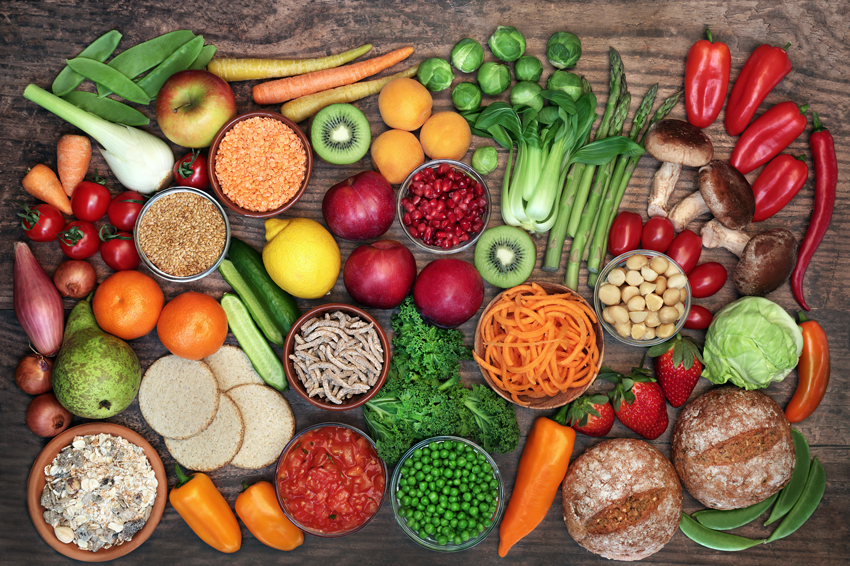
Don’t remove all carbohydrates from your diet (especially if you’re an athlete!). This is a big mistake if you want to maximise exercise performance, mental well-being, and sleep.
Focus on eating wholegrain cereals and complex carbohydrates, like brown rice, oats, sweet potatoes, vegetables, and fresh fruit. Eating unprocessed foods is by far the best way to avoid added sugar and other potentially harmful substances, such as additives.
These are often foods where fats are replaced with added sugars and sweeteners. This in no way helps your “dependence” on sugar since you’ll still be used to sweetness.
Relying on sweeteners won’t help if you want to cut added sugars from your diet. The goal is to get used to going without the sweet taste of sugar, not to replace it. If you swap it for sweeteners, you won’t reach that goal.
Protein is the most satiating macronutrient and can keep you full from breakfast until lunch whereas more sugary and carb-rich foods leave you hungry again after several minutes!
If possible, avoid drinking your calories! Statistics show that sugary drinks make up almost half the intake of added sugars for people who consume them regularly. So be sure to give sodas/fizzy drinks a miss.
By adding spices to your food, you can maintain the same sort of taste pleasure that sugar provides you.
The glycemic index of a food is based on its effect on blood sugar compared to pure glucose, which serves as the reference. Foods are rated on a scale from 0 to 100. The higher the value, the greater the insulin response, meaning foods with a high glycemic index raise blood sugar more like glucose does.
Foods such as sliced bread, mashed potatoes, puffed cereals, or quick-cooking white rice have a high glycemic index (over 70).
The glycemic index is a classification of foods based on their immediate effect on blood sugar levels. Foods are categorised as having a high or low glycemic index (GI).
Recommended foods tend to have a better nutritional profile, are lower in calories but more filling, contain more fiber for sustained energy throughout the day, and are rich in fruits and vegetables.
GI<35 (very low GI): egg, barley, quinoa, wheat and oat bran, tofu, soy, meat and poultry, plain yogurt, and legumes (lentils and chickpeas)…
GI between 35 and 50 (low GI): whole spelt, wheat, uncooked oats, whole grain bread, sweet potato, whole wheat pasta, green peas, brown rice, whole grain semolina…
GI between 50 and 70 (medium GI): cooked oats, rice cakes, melon, rice noodles, chestnuts, dates, white rice, semolina, well-cooked pasta, whole wheat bread…
GI between 70 and 100 (high GI): white baguette, beer, crisp bread, sweetened cereals, all-purpose wheat flour (type 55), gnocchi, white sandwich bread, polenta, quick-cooking rice, table sugar…
You’ve now got all the tools to reduce and eliminate your daily added sugar intake. Don’t forget that sugar can hide in every food. It’s therefore vital to check the ingredients of what you eat and drink. This will make you 100% sure that you’re not surpassing sugar consumption guidelines. You can still enjoy sugar, but consume it in small amounts and above all, be aware when you do. Remember that the dose makes the poison. Measure your sugar intake!
Defatted nut flours contain about half the fat of regular nut powders (hazelnuts, almonds…), so they are lower in calories. They are also rich in plant-based protein. Remember tip no.7 about increasing your protein intake: that doesn’t necessarily mean adding another chicken breast to your plate).These flours provide around 45 g of protein per 100 g.
These flours also have a lower impact on blood sugar, as they have a very low GI (15) compared to 70 for refined wheat flour (type 55). On top of that (which is perfect when baking), they are high in fiber and contain 5 times fewer carbohydrates than regular flours and are naturally gluten free.
Banana breads, chocolate fondant cakes, cookies, muffins, soft cakes… All of this is possible with less or even no sugar at all!

Let’s take banana bread as an example: the ultimate companion for breakfast, snacks, or brunch (even for athletes!). You’re already craving it, right? Don’t wait any longer.
Go for a mix made with lupin flour, buckwheat flour, almond flour, a little date powder, baking powder (sodium bicarbonate), and cinnamon. Add 4 bananas and 4 eggs, that’s it!
The result per 100 g prepared is 161 kcal, 3.1 g of fat (including 0.87 g of saturated fat), 20.2 g of carbohydrates (including 9.6 g of sugar), 10.2 g of protein, 6.12 g of fiber, and 0.45 g of salt. We challenge you to find something better in terms of nutritional value!
Cutting back on sugar sounds tempting now, right? And honestly, it’s mouth-watering!

Join the 7 million users already registered on FizzUp
Join us