What Should You Eat to Lose Weight?

Which foods help with weight loss? Are there any miracle foods? FizzUp lists the best foods to include on your plate.

How Can You Lose Weight?

Before thinking about specific weight-loss tools, it’s important to understand the basic concept behind it: the caloric deficit.

Simply put, to lose weight, you need to consume less energy than you burn.

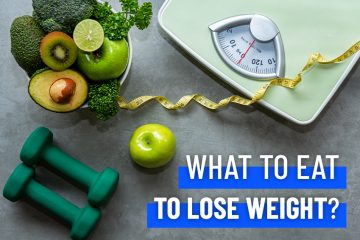
Weight loss concept with scale, dumbbell, healthy drink, fruit, towel, measuring tape and tablet on a table.

Beyond keeping this energy balance, choosing nutrient-dense foods boosts your chances of losing weight successfully and sustainably, while reducing feelings of frustration and deprivation.

In other words, total calorie intake drives weight change, while the quality of your diet makes the process easier to manage, both physically and mentally.

To ensure your progress, your foods should follow a few essential weight-loss principles:

  • Foods rich in protein and fiber
  • Foods with low energy density
  • Avoid refined foods and added sugars
  • Consume foods that your body tolerates well

Remember, when you ask what to eat to lose weight, it’s not just about calories.

What Foods Should You Eat to Lose Weight?

To promote effective and sustainable weight loss while preserving your health, the foods you choose should:

  • Help you feel full and stay in a caloric deficit while supporting your mental well-being
  • Give your body the essential nutrients it needs to stay healthy and recover
  • Satisfy your cravings, helping you avoid overeating and protect your progress
Healthy foods for weight loss including vegetables, berries, fruits, grains and legumes.

By using these three criteria when choosing what to eat, you can figure out which foods to include in your diet and which ones to avoid for successful weight loss.

Proteins

Foods rich in protein play an important role in weight loss.

First, protein helps you preserve your lean body mass while you lose fat. The benefit is undeniable for your physical appearance, your performance, and your health, since lean body mass is a key indicator of good health.

Second, protein-rich foods are very filling. You’ll feel less hungry while dieting.

Finally, they can help you burn a few extra calories thanks to the Thermic Effect of Food (or TEF). TEF contributes to your daily metabolism, the number of calories you burn each day. Your body needs energy to process the food you eat, and proteins require more energy to digest and process than other macronutrients like carbohydrates and fats.

For an effective diet, aim for 1.5 to 2.2 grams of protein per kilogram of body weight. Here are some good protein sources:

  • Meat and poultry
  • Lean and fatty fish
  • Eggs
  • Milk and dairy products
  • Pulses
  • Soy-based products 
  • Protein powders

Foods Rich in Fiber

Fiber also helps you feel full for longer after eating, which can help you eat fewer calories. As a result, you’ll feel less hungry and can stick to your caloric deficit.

Most fiber-rich foods also provide plenty of nutrients, which are especially useful during weight loss when overall food intake is reduced. It’s important to be selective about the quality of your food to properly nourish your body.

Finally, for general health, it’s recommended to consume between 25 and 30 g of fiber per day. Be careful with some high-fiber foods that can also be high in calories. Avoid consuming them in excess.

Here are some sources of fiber-rich foods:

  • Whole grain rice
  • Cereals and legumes
  • Fruits and vegetables
  • Whole grain bread
  • Dried fruits

Fruits and Vegetables

When trying to lose weight, it’s important to understand another key concept: the energy density of foods

Energy density refers to the number of calories in a food relative to its volume or weight.

For example, you’d need to eat about 1 kg of apples to get roughly 500 kcal, while a single croissant can provide the same amount of energy. As you can see, 1 kg of apples or green vegetables is much better for weight loss because it helps you feel full.

To help control hunger, it’s best to eat foods with low energy density, such as lean meat or fish, and plenty of fruits and vegetables. These foods are rich in fiber, water, and micronutrients, helping you feel satisfied while keeping calories low.

Further reading

Join the 7 million users already registered on FizzUp

Join us
Trustpilot